

Curious about what makes Birmingham stand out from the crowd? This vibrant city is full of surprises, where centuries-old history meets modern creativity, and every street has a story to tell. Whether you’re a local, a student, or just passing through, uncovering some fun facts about Birmingham is the perfect way to see the city in a new light.
In this blog, you’ll discover 25 fascinating facts about Birmingham – from its industrial roots and cultural icons to quirky claims to fame and hidden gems. Expect a mix of history, culture, and unexpected trivia that will give you a fresh appreciation for Birmingham’s unique character and enduring appeal.
Fascinating Facts About Birmingham: History, Culture, and More
- The City’s Name Has Ancient Origins
Did you know that among the most notable Birmingham history facts is the city’s name, which derives from the Anglo-Saxon “Beormingaham”? This translates to the home of Beorma’s people, reflecting the city’s roots that extend back over a millennium. This early settlement was likely a small farming community, and the name itself reveals the city’s deep connection to its early inhabitants. Understanding this origin provides insight into how Birmingham evolved from a modest village into the bustling metropolis it is today.
- The Heart of Industrial Revolution
One of the most significant facts about Birmingham is its central role in the Industrial Revolution. Often referred to as the “Workshop of the World,” Birmingham was a hub for innovation and manufacturing during the 18th and 19th centuries. Inventors such as James Watt, who improved the steam engine, and Matthew Boulton, a key industrialist, were based here. The Lunar Society, a group of leading scientists and industrialists, regularly met in Birmingham, fostering ideas that propelled technological progress globally. This legacy is reflected in the city’s museums and heritage sites, which celebrate its industrial past.
- More Canals Than Venice
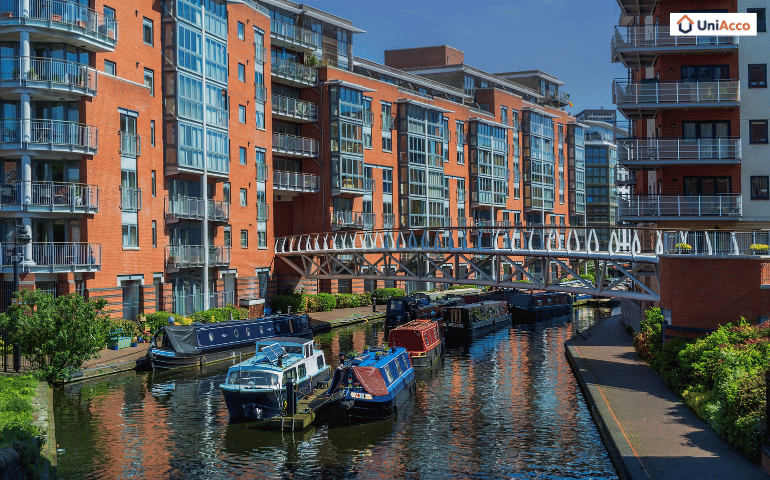
A widely recognised fun fact about Birmingham is its extensive canal network. The city has approximately 35 miles of canals, more than Venice. These waterways were initially constructed to transport raw materials and finished goods during the industrial boom, playing a vital role in Birmingham’s economic development.
Today, the canals have been revitalised as leisure destinations, featuring waterside bars, restaurants, and walking paths that offer a scenic contrast to the urban environment. This transformation highlights Birmingham’s ability to blend heritage with modern lifestyle.
- Known As The First “Manufacturing Town”
Birmingham was the first city globally to be described as a “manufacturing town.” By the 18th century, it was a leading centre for producing a wide range of goods, including jewellery, buttons, guns, and pens. Remarkably, at one time, Birmingham manufactured around 75% of the world’s pen nibs, earning it a reputation for craftsmanship and industrial efficiency. This diverse manufacturing base laid the foundation for the city’s economic resilience and contributed to its nickname, “The City of a Thousand Trades.”
- Where The Spitfire Was Built
Birmingham played a key role during World War II, particularly in the production of the Spitfire fighter aircraft. The Spitfire played a crucial role in the Battle of Britain and became a symbol of British resilience. Factories in Birmingham were responsible for assembling many of these planes, showcasing the city’s industrial capacity and contribution to the war effort. This chapter of Birmingham’s history is commemorated in local museums and remains a point of pride for residents.
- The Home To Cadbury
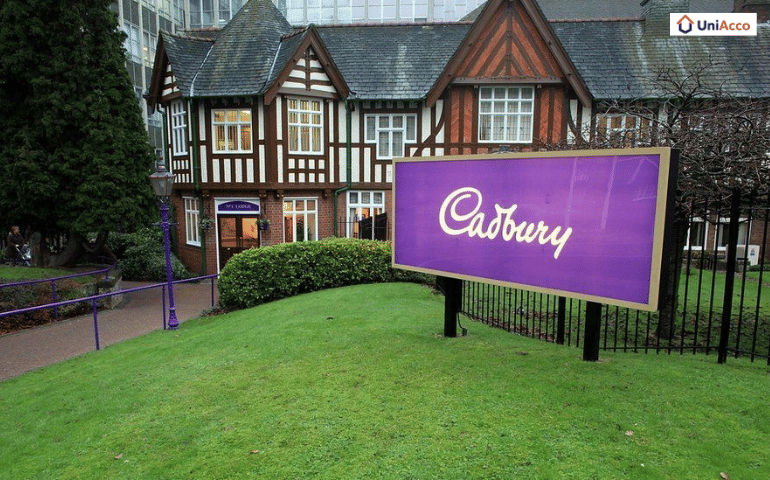
Birmingham is closely associated with the Cadbury brand, which was established in the Bournville area by the Cadbury family in the late 19th century. The Cadburys were pioneers in creating a model village for their workers, providing quality housing and community facilities that were progressive for their time. The original Cadbury factory remains a significant employer and tourist attraction, reflecting the city’s influence on the confectionery industry. Additionally, Birmingham is linked to other iconic British brands such as Birds Custard, HP Sauce, and Typhoo Tea, highlighting its diverse industrial heritage.
- Birthplace Of Balti Triangle
Birmingham is the birthplace of the Balti curry, a distinctive style of curry served in a thin, pressed-steel wok called a “balti bowl.” This dish originated in the city’s “Balti Triangle” during the 1970s and quickly gained popularity across the UK. The area remains a vibrant culinary destination, with numerous restaurants offering authentic Balti dishes. This fact about Birmingham not only reflects the city’s multicultural population but also its role in shaping British food culture.
- The UK’s Oldest Working Cinema
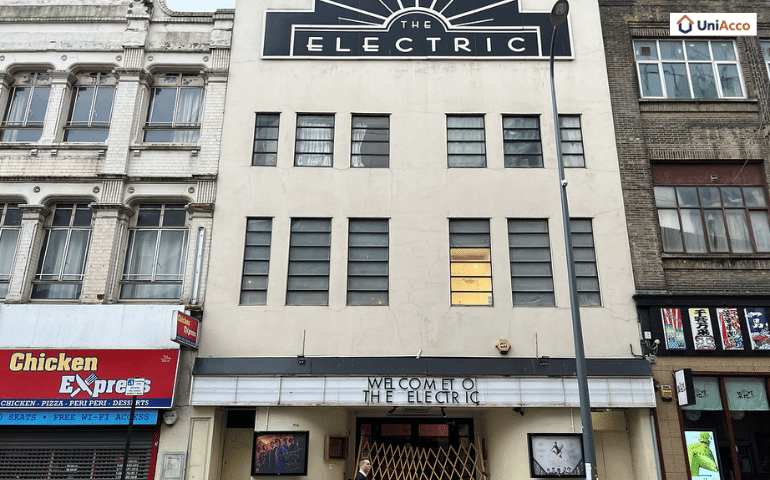
The Electric Cinema in Birmingham, opened in 1909, holds the distinction of being the oldest working cinema in the United Kingdom. It has retained much of its original charm while adapting to modern cinema-going trends. The cinema offers a unique experience with comfortable seating, including sofas, and a selection of independent and mainstream films. This venue is a testament to Birmingham’s long-standing appreciation for arts and entertainment.
- Early Inspiration For J.R.R. Tolkien
Author J.R.R. Tolkien spent much of his childhood in Birmingham, and many of the city’s landscapes are believed to have inspired his depiction of Middle-earth. Locations such as Moseley Bog and Sarehole Mill are often cited as influences for the Shire and other settings in his works. This connection adds a literary dimension to Birmingham’s cultural heritage, attracting fans of Tolkien’s work to explore the city’s natural and historic sites.
- The Birthplace of Heavy Metal
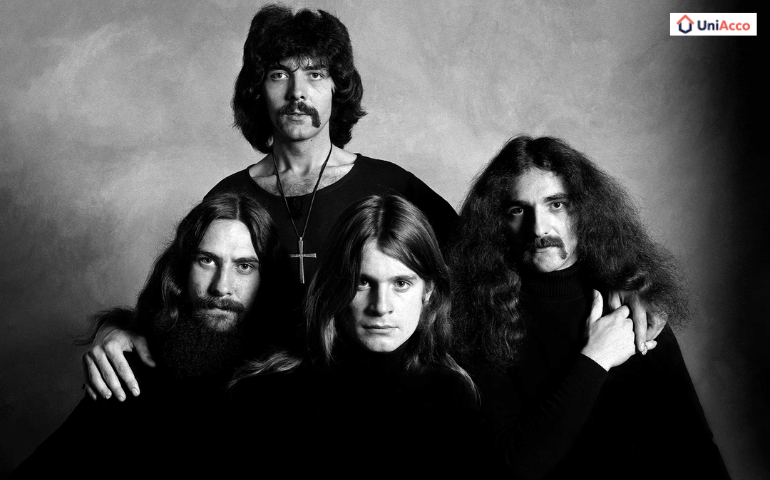
Birmingham is widely regarded as the birthplace of heavy metal music, a genre that emerged in the late 1960s and early 1970s. Bands such as Black Sabbath and Judas Priest originated in this city, drawing inspiration from its industrial environment. The gritty sound and themes of heavy metal reflect the working-class roots and urban landscape of Birmingham. This musical heritage continues to influence artists worldwide and is celebrated locally through festivals and exhibitions.
- A City With Rich Football Heritage
Football has been an integral part of Birmingham’s culture for well over a century. The Football League’s precursor was established in Aston in 1885, and the city is home to historic clubs, including Aston Villa, Birmingham City, and West Bromwich Albion. These clubs have made significant contributions to English football history, boasting passionate fan bases and notable achievements. Football matches remain key social events, fostering community spirit and local pride.
- Home To Europe’s Largest Public Library
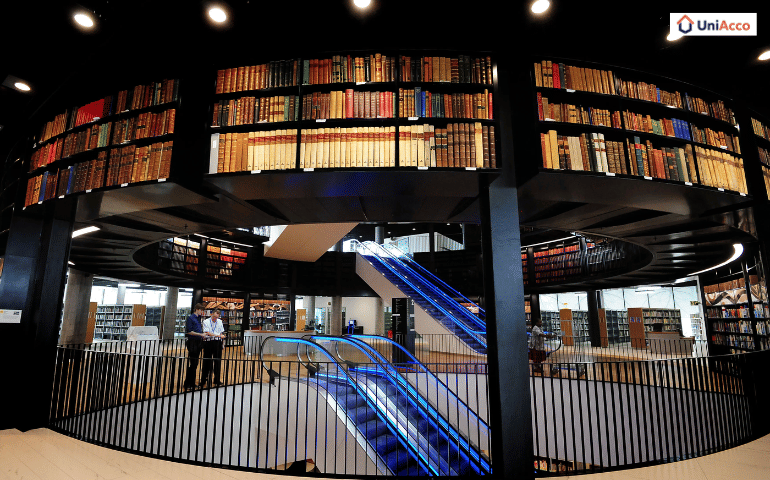
The Library of Birmingham is Europe’s largest public library and a landmark of modern architecture. Opened in 2013, it offers extensive collections, including rare manuscripts and archives, alongside contemporary facilities such as performance spaces and rooftop gardens. The library serves as a cultural centre, hosting exhibitions, workshops, and events that engage the community. Its design and resources reflect Birmingham’s commitment to education and cultural enrichment.
- The World’s First Exhibition Hall
Bingley Hall, which opened in 1850, was the world’s first purpose-built exhibition hall. It was designed to showcase Birmingham’s industrial products and innovations to a wider audience, thereby promoting trade and commerce. The hall set a precedent for future exhibition centres worldwide. Today, the site is occupied by the International Convention Centre and Symphony Hall, continuing Birmingham’s tradition as a centre for events and cultural activities.
- Namesake Of A Lunar Crater
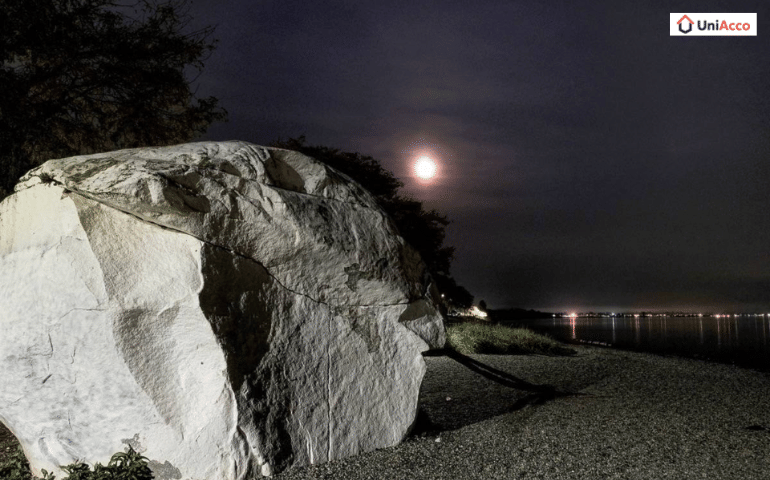
A lesser-known but intriguing fact about Birmingham is that a crater on the moon is named after the city. This honour recognises Birmingham’s historical contributions to science, engineering, and industry. It symbolises the city’s far-reaching influence beyond Earth and serves as a unique point of pride for residents.
- Known As The City of a Thousand Trades
Birmingham’s nickname, “The City of a Thousand Trades,” reflects its long history of diverse industries and craftsmanship. From metalworking and jewellery to food production and technology, the city has been home to a wide range of trades. This diversity has fostered economic resilience and innovation, helping Birmingham adapt through changing times and maintain its status as a major UK city.
- One of Europe’s Greenest Cities
Birmingham is renowned for its abundance of green spaces, with over 8,600 acres of public parks and more than 500 individual parks and open spaces. Sutton Park alone covers 2,400 acres, making it one of the largest urban parks in Europe. These green areas provide residents with opportunities for recreation, sports, and relaxation, contributing to the city’s reputation for high quality of life and environmental awareness.
- The Jewellery Quarter’s Global Impact
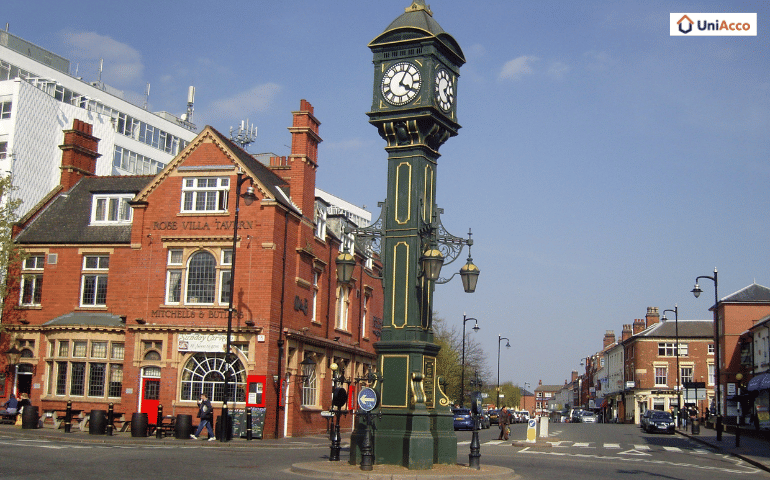
The Jewellery Quarter, located in the north-west of Birmingham city centre, has been a hub of jewellery production for over 250 years and currently produces around 40% of all jewellery made in the UK. With more than 500 jewellery businesses and over 200 listed buildings, it’s Europe’s largest concentration of jewellery trade. The area is also home to the world’s largest Assay Office, which hallmarks millions of precious metal items each year, ensuring quality and authenticity for buyers worldwide.
- The World’s Largest Collection of Pre-Raphaelite Art
Birmingham Museum and Art Gallery houses the world’s largest collection of Pre-Raphaelite paintings, drawings, and prints. The gallery’s collection includes works by artists such as Dante Gabriel Rossetti, Edward Burne-Jones, and William Holman Hunt. This makes Birmingham a significant destination for art lovers and scholars interested in the Pre-Raphaelite movement and Victorian art.
- Where The Mini Cooper Was Born
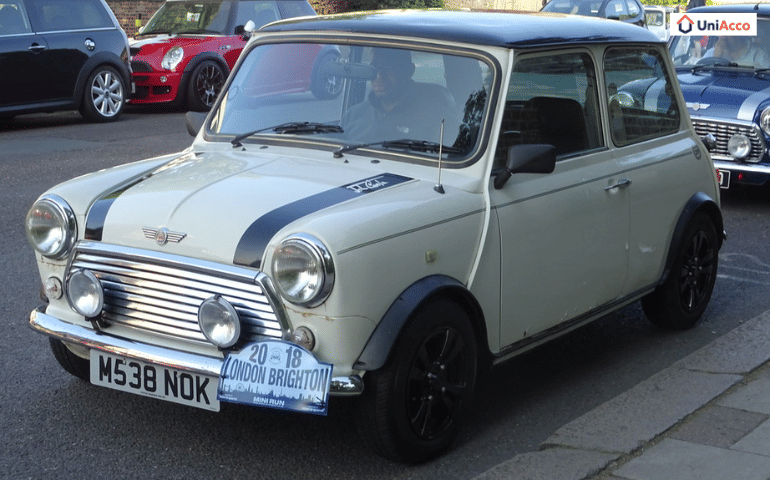
The iconic Mini Cooper car, a symbol of British automotive design, began production at the Longbridge Plant in Birmingham in 1959. Over 2.5 million Minis were produced at this site, and the car’s compact design and popularity made it a cultural icon in the UK and abroad. The Longbridge Plant played a major role in Birmingham’s industrial history and automotive innovation.
- A Hub for Michelin-Starred Dining

Birmingham has established itself as a culinary hotspot, being the only English city outside London with six Michelin-starred restaurants. Renowned establishments such as Adam’s, Purnell’s, and Opheem showcase the city’s diverse and innovative food scene. This recognition highlights Birmingham’s appeal to food enthusiasts and its role in shaping contemporary British cuisine.
- The Bullring: A Shopping Landmark
The Bullring Shopping Centre, first opened in 1964 and redeveloped in 2003, is one of the UK’s most famous retail destinations. With over 240 stores and welcoming around 36 million visitors annually, the Bullring is a central part of Birmingham’s economy and a key attraction for shoppers from across the country.
- Host To Numerous Annual Festivals
Birmingham’s calendar is packed with over 50 festivals each year, celebrating everything from jazz, blues, and folk music to food, dance, and cultural diversity. Significant events include the Birmingham Jazz & Blues Festival, Birmingham Pride, and the Frankfurt Christmas Market, which is one of the largest German Christmas markets outside Germany and Austria. These festivals reflect the city’s vibrant, multicultural character.
- Europe’s Major Youngest City
Nearly 40% of Birmingham’s population is under 25, making it the youngest major city in Europe. This youthful demographic contributes to the city’s dynamic atmosphere, fostering innovation, creativity, and a thriving student and graduate community.
- The Jewellery Quarter’s Sporting Legacy
Birmingham’s Jewellery Quarter is not just about jewellery; it has also produced many famous sporting trophies. The original FA Cup, the Wimbledon Rosewater Dish, the 1948 Olympic Torch, and the Lonsdale Boxing Champion Belts were all crafted here. The area’s silversmiths even made the whistles used on the Titanic, demonstrating the Quarter’s craftsmanship and its impact on both sport and history.
- A Major Transport and Business Connectivity Hub
Birmingham’s central location in the UK means that 90% of the country’s population can be reached from the city in under four hours by road or rail. The city’s major transport hubs, including Birmingham New Street Station and Birmingham Airport, make it a vital centre for business, travel, and logistics, connecting people and industries across the nation.
These fascinating facts showcase Birmingham’s rich history, vibrant culture, and dynamic growth. Whether you’re gathering insights for a project or simply curious about the city, delving into Birmingham’s stories reveals its unique role in shaping modern Britain. From innovation and industry to arts and diversity, Birmingham stands as a city full of character, achievement, and endless opportunities to explore.
With UniAcco’s student accommodation in Birmingham, you’ll be close to Birmingham’s top attractions and vibrant lifestyle. Book now to enjoy a wide range of affordable options tailored for students.
FAQs
1. Why is Birmingham a unique city?
Birmingham stands out for its rich industrial heritage, cultural diversity, and youthful population. Its history of innovation, green spaces, and vibrant arts and food scenes make it a city with a distinctive character.
2. What is Birmingham actually famous for?
Birmingham is famous for its role in the Industrial Revolution, the Jewellery Quarter, Cadbury chocolate, the Balti curry, heavy metal music, and having more canals than Venice. It’s also known for its Michelin-starred restaurants and major sporting history.
3. Is Birmingham an expensive city?
Birmingham is considered affordable compared to other major UK cities like London and Manchester. Living costs are moderate, with students and residents benefiting from reasonably priced accommodation, transport, and amenities.
4. How old is the city of Birmingham?
Birmingham’s origins date back to the Anglo-Saxon period, with evidence of settlement from the 6th or 7th century. It became a significant market town in 1166 and has grown steadily since then.
5. What are the people of Birmingham like?
People from Birmingham, known as Brummies, are widely regarded as friendly, down-to-earth, and welcoming. The city’s diverse communities contribute to its open, inclusive, and vibrant social atmosphere.











0 Comments